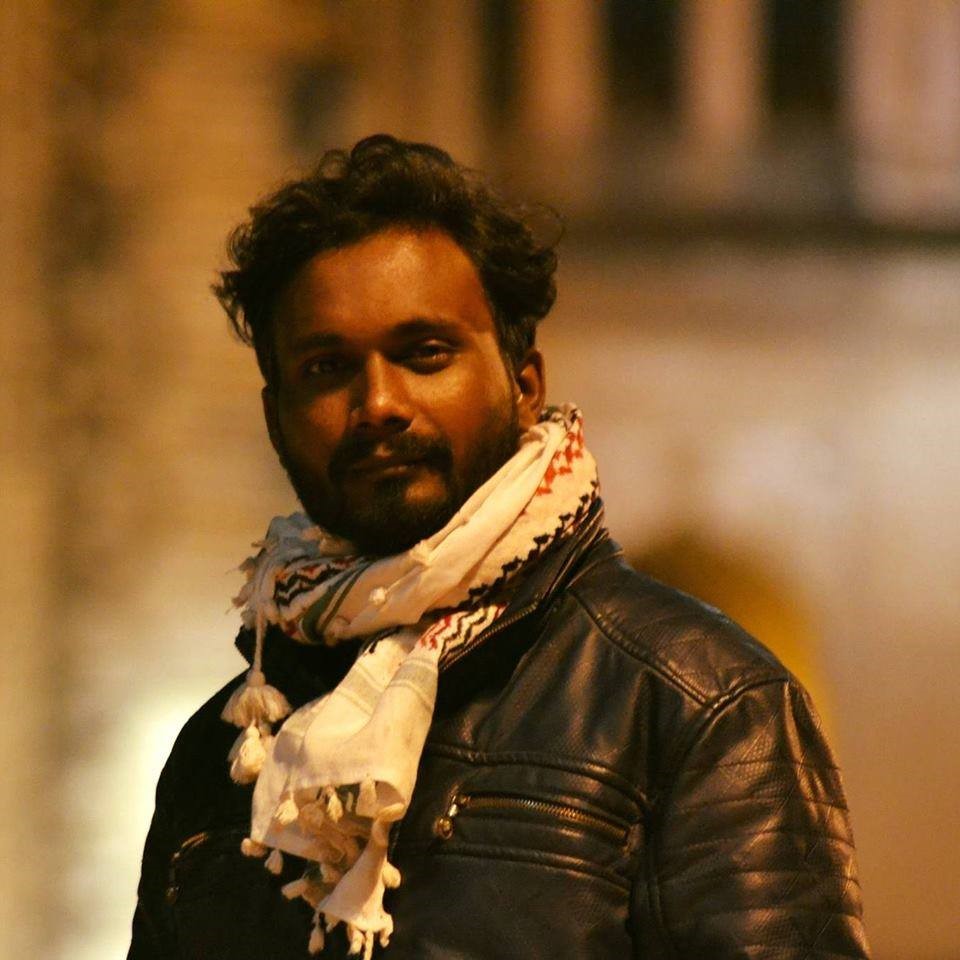
Dharitri Kanta
A safe workplace is not defined only by the absence of harassment. It is also a place where women can speak, disagree, seek support, and participate in decisions without fear.
We often assume that organizations are safe places because they have rules, policies, and systems in place. But is that enough? A workplace may have a policy against sexual harassment and a committee to receive complaints, yet a woman may still hesitate to speak because she fears being judged, ignored, or facing consequences. This makes me ask a simple question: what does it really mean for a woman to feel safe at work?
Safety is usually understood as protection from harm, injury, or danger. In a workplace, that includes physical safety and freedom from sexual harassment. But it also includes something less visible: the freedom to express an opinion, raise concern, disagree with a colleague, or ask for help without fear of humiliation or retaliation. A woman may be physically safe in an office and still feel unsafe if she cannot speak openly. For me, women’s safety is connected to dignity. It is about being able to work without fear, but also about being treated as a human being whose experiences, feelings, and responsibilities matter.
Physical safety means being protected from violence, injury, threats and other forms of bodily harm. It also includes a safe working environment, appropriate security arrangements, transport where required and access to help in an emergency. Sexual safety means being free from unwanted sexual comments, gestures, messages, touching, harassment and violence. Everyone should be able to decide what happens to their body and should not have to tolerate unwanted behaviour as part of working life. Economic safety includes fair wages, equal opportunities and the ability to earn a livelihood without exploitation or threats. Social and organizational safety means being treated fairly and respectfully, without discrimination, bullying or harassment based on gender, caste, colour or social background.
Psychological safety is equally important. It means being able to express thoughts, ask questions, raise concerns, share ideas and admit mistakes without fear of humiliation or punishment. Amy Edmondson has described it as a shared belief that a team is safe for interpersonal risk-taking. Earlier work by Edgar Schein and Warren Bennis in 1965 also discussed psychological safety in relation to organisational learning and change. The central idea is straightforward: people should be able to speak honestly, ask for help and participate without worrying that they will be mocked, ignored or penalised. Psychological safety does not mean avoiding disagreement or accountability. It means that people can engage in difficult conversations without being degraded or threatened.
Safety should be a basic right, not a privilege available only in certain places or under certain conditions. Article 21 of the Constitution of India protects the right to life and personal liberty, and the right to live with dignity has been recognised as part of this constitutional protection. Yet many women continue to experience harassment, discrimination and fear in daily life. When women do not feel safe, the effects go beyond the immediate risk of harm. They may limit their movements, avoid certain jobs, turn down opportunities involving travel or give up professional goals. Insecurity can affect confidence, mental well-being, economic independence and participation in society. It becomes a barrier to equality and empowerment.
For many women, fear begins long before they reach the office. Roads, bus stops, railway stations, public transport, markets and the route home are all part of the working day. Some think twice before travelling alone, returning late or visiting an unfamiliar place. Some ask a father, brother, male relative or friend to accompany them because they believe another person’s presence may protect them from unwanted attention. Instead of feeling free to move independently, they make arrangements simply to feel secure.
A baseline household survey conducted in Delhi in October and November 2012 offers a stark illustration of this fear. The study, carried out by the International Center for Research on Women (ICRW) as part of the Safe Cities programme with UN Women and local partners, found that only 5% of women and girls surveyed ranked public spaces in Delhi as safe from sexual violence. This is sometimes summarized as 95% feeling unsafe, but it is important to be precise: the finding concerns Delhi, not women and girls globally, and reflects respondents’ perceptions of safety at the time of the survey. The study included 2,001 women and girls and 1,003 men and boys aged 16–49. It also found that 51% of male respondents reported having perpetrated sexual harassment or violence against women and girls in public spaces at some point, while 25% said they had done so in the preceding six months. The study included behaviours ranging from sexual comments, whistling, leering and obscene gestures to flashing, stalking, unwanted touching or groping, and sexual assault. These are historical findings from Delhi and should not be mistaken for current national or global prevalence estimates.
The consequences of this fear can be seen in individual lives. A report on gender-based violence describes Srishti, a 20-year-old student in Delhi, who said she had begun carrying pepper spray when she went out. Her parents had also become more protective, wanting to know where she was going, when she would return, and whom she would meet. Her account captures how the threat of sexual violence can shape not only a young woman’s choices but also the behaviour of those who care for her. Safety concerns can lead families to monitor women’s movements and women themselves to plan around risk, restrict outings or change their routines. These precautions may feel necessary, but they also place the burden of preventing violence on women and their families rather than on those who harass or harm them.
Women are also often told to dress appropriately, avoid certain places, stay home at particular times, or behave in ways society considers acceptable. When harassment or violence occurs, questions are sometimes asked about a woman’s clothing, behaviour, or decisions instead of holding the person responsible accountable. Why should women have to limit their freedom because of someone else’s behaviour? Being born a woman should never mean having to live with constant fear. Women deserve the freedom to travel, work, study, and make decisions with dignity.
Improving safety in public spaces requires more than installing cameras or increasing police presence. Roads and bus stops need appropriate lighting; public transport should be safe and reliable; reporting systems should be accessible; and complaints must receive timely attention. Cameras need to be functional and monitored, and policing must be responsive rather than merely visible. Law enforcement and public awareness matter, as does a culture in which harassment is not tolerated. Statistics can help explain the scale of a problem, but they must come from reliable sources and be interpreted carefully. A survey conducted in one city, for example, should not automatically be treated as representative of every woman across India. The responsibility for preventing violence belongs to those who cause harm, the institutions that must respond, and society as a whole.
The same questions must be asked inside workplaces. An organisation may have a formal policy against sexual harassment, a committee to receive complaints and statements promoting gender equality. These are important safeguards, but they do not automatically make every woman feel safe. A woman may hesitate to report harassment if the person responsible is her manager, a senior colleague or someone with considerable influence. She may fear losing her job, damaging her professional reputation, being blamed or facing further harassment. The effectiveness of a policy depends on how it is implemented and whether women trust the people responsible for enforcing it.
Organisations must ensure that complaints are taken seriously, investigations are fair, confidentiality is respected, and employees are protected from retaliation. Women should know where to seek help and should have reason to trust that their concerns will be addressed. Clear procedures are important, but so is the everyday conduct of managers and colleagues: whether they listen without dismissing concerns, challenge inappropriate behaviour, and avoid punishing those who speak up. At the same time, we should not assume that every organisation is unsafe or that every workplace offers the same experience. Some organisations make genuine efforts to create supportive environments. The real question is whether safety exists in everyday practice, rather than only in policies and public statements.
These responsibilities become especially important when women work in the field. Fieldwork may require employees to travel alone, visit unfamiliar locations, meet different communities, work in isolated areas, or return home late. In some places, immediate assistance may not be available. Women who work directly with communities may need to visit households or spend long periods away from their usual workplace. Even when the work is meaningful and necessary, the surrounding conditions may not always be safe.
However, it would be wrong to say that all fieldwork is more dangerous than office-based work. Risks depend on the nature of the job, location, working hours, available support and the people with whom employees interact. An office can also expose women to harassment, discrimination or abuse of power, while a well-managed field environment may be supportive. The point is not to label one setting as inherently unsafe, but to understand the risks in each situation and respond to them responsibly.
Reporting can be particularly difficult for women in informal or economically insecure jobs. A woman who depends on her income may fear that raising a complaint will cost her livelihood. If complaints are dismissed, if she is blamed for being in a particular place, or if managers protect the person accused, others may be discouraged from speaking up. Silence should never be mistaken for the absence of a problem. Sometimes a woman does not report an incident because she fears the consequences, not because the incident was insignificant. Organisations must provide clear fieldwork protocols, risk assessments, reliable communication, emergency contacts, appropriate transport arrangements and accessible complaint mechanisms. No woman should have to choose between her personal safety and her livelihood.
My own experience at CORO India, a community-based non-profit organisation, has helped me think about safety in a more personal way. I have experienced a women-centric environment in which women make up a large part of the workforce and take an active role in decision-making. Women are not merely present; they can express their opinions, share their experiences, and help shape the organisation’s direction. This matters because representation alone is not enough. Women also need meaningful influence over the decisions that affect their lives and work. I am describing my own experience here, not suggesting that every organisation or every woman’s experience is the same.
For me, CORO India has often felt like much more than a place where people complete their responsibilities and return home. It has felt like a second home, a family and a community where colleagues can become trusted friends, teachers, mentors and counsellors. What makes this experience meaningful is the feeling of belonging: people try to understand one another, listen to each other’s difficulties and offer support during difficult moments. In my experience, people can express sadness, talk about personal concerns and even cry in front of colleagues without feeling that they must hide their emotions. Sometimes a person does not need advice or a solution. They simply need someone to sit beside them, listen patiently, and allow them to speak.
There are small acts of care that make this environment feel different from an ordinary workplace. People try to make time for one another, even when they have responsibilities of their own. Sometimes support is offered through a conversation, a kind gesture or a moment of comfort after a stressful day. Such gestures may appear small, but they communicate that a person is seen and valued. I have also seen an effort to recognise the person behind the work: someone may be dealing with family responsibilities, financial pressures, discrimination or emotional stress that cannot be understood by looking only at their work performance. In such moments, listening and empathy can help a person feel less alone.
This does not mean that emotional support can replace formal safeguards. A caring culture must exist alongside fair policies, clear boundaries, accountability and systems that protect people’s rights. Good intentions alone cannot resolve misconduct, and personal closeness must never become a reason to overlook harmful behaviour. A truly supportive organisation makes room for compassion while taking complaints seriously and ensuring that everyone is treated fairly.
The bond people develop with an organisation can go beyond a job, salary or professional position. When colleagues trust one another, share experiences and offer support, the workplace can become a community in which people feel that they belong. Leaving such an institution may mean leaving behind relationships and a support system as well as employment. For me, this sense of belonging has helped clarify that safety is not only the absence of physical violence or sexual harassment. It also involves feeling emotionally secure, respected, heard and valued.
A woman may work in an organisation with policies against sexual harassment, but if she is afraid to express her feelings, raise a concern or ask for help, can we say that she feels completely safe? Similarly, if women are employed in large numbers but are not allowed to participate meaningfully in decision-making, can we truly call that organisation empowering? Women’s participation should be measured not only by their presence, but also by whether their views shape decisions, whether they can disagree without fear, and whether leadership responds to their concerns.
My experience at CORO India has shown me how an organisation can nurture trust, support, and belonging. It has also reminded me that no single organisation can stand in for the policies, accountability and wider social changes needed to make women safe. Safety is created through everyday actions as well as institutional systems: the way people listen, respond to difficulties, respect differences, challenge discrimination and share power. People do not leave their personal lives at the office door. We arrive at work with our experiences, responsibilities, emotions and challenges. Recognising this does not weaken professionalism; it can make working relationships more humane and respectful.
Ultimately, women should not have to choose between professional growth and emotional well-being. They should not have to sacrifice their dignity to keep a job or hide their struggles to be considered professional. They deserve workplaces where complaints are handled fairly, their voices are heard, their decisions matter and their safety is treated as a shared responsibility. Building safe spaces means more than protecting women from harm. It means creating organisations where women can speak freely, participate in decisions, receive support and grow without fear—places where people are valued not only for what they contribute, but also respected as human beings whose safety, dignity and well-being matter.
Reference
- Edmondson, Amy C., and Michaela J. Kerrissey. “What People Get Wrong About Psychological Safety.” Harvard Business Review, May–June 2025. https://hbr.org/2025/05/what-people-get-wrong-about-psychological-safety
- Schein, Edgar H., and Warren G. Bennis. Personal and Organizational Change Through Group Methods: The Laboratory Approach. Wiley, 1965. (Please verify the precise bibliographic details and relevance before publication.)
- UN Women. “UN Women-Supported Survey in Delhi.” https://www.unwomen.org/en/news/stories/2013/2/un-women-supported-survey-in-delhi
- U.S. Bureau of Justice Statistics. “Workplace Violence, 1993–2009.” https://bjs.ojp.gov/content/pub/pdf/wo.pdf
- Humboldt State University. “Statistics.” https://www.humboldt.edu/supporting-survivors/educational-resources/statistics
- The Indian Express. “The Unsafe Streets.” https://indianexpress.com/article/cities/delhi/hardlook-sexual-assaults-in-haryana-the-unsafe-streets-5051538/
- International Center for Research on Women (ICRW). “ICRW Survey: 95 Percent of Women and Girls Consider New Delhi Unsafe.” 4 February 2013. https://www.icrw.org/icrw-survey-95-percent-of-women-and-girls-consider-new-delhi-unsafe/
- Bhatla, Nandita, Pranita Achyut, Sancheeta Ghosh, Abhishek Gautam, and Ravi Verma. Safe Cities Free of Violence Against Women and Girls: Baseline Finding from the Safe Cities Delhi Programme. ICRW, 2013. https://www.icrw.org/publications/safe-cities-free-from-violence-against-women-and-girls-baseline-finding-from-the-safe-cities-delhi-programme/
- “Delhi: 95% of Women and Girls Feel Unsafe in Public Spaces.” Stop Street Harassment, 20 February 2013, reporting findings from the UN Women/ICRW Delhi household survey. https://stopstreetharassment.org/2013/02/delhi-95-of-women-and-girls-feel-unsafe-in-public-spaces/
- Swedish International Development Cooperation Agency (Sida). Preventing and Responding to Gender-Based Violence: Expressions and Strategies. Source containing the account of Srishti, a 20-year-old Delhi student. https://cdn.sida.se/publications/files/sida61848en-preventing-and-responding-to-gender-based-violence-expressions-and-strategies.pdf
~~~
Dharitri Kanta is Regional Lead at CORO India, Mumbai. She holds an MA in Development from Azim Premji University, Bengaluru, and BA in English Literature from the Central University of Karnataka.