
Anshul Kumar
“Here are black men standing, looking at us, and I hope that you—like me—will feel the shock of being seen. For three thousand years, the white man has enjoyed the privilege of seeing without being seen”~ Jean Paul Sartre, Black Orpheus
“The first Dalit autobiography to be published, Baluta caused a sensation when it appeared, in Marathi, in 1978. It quickly acquired the status of a classic of modern Indian literature and was also a bestseller in Hindi and other major languages. Set in Mumbai and rural Maharashtra of the 1940s and ’50s, it describes in shocking detail the practice of untouchability and caste violence. “
Dalit autobiographies have a very strange status in Indian academia. They are both present and absent at the same time, much like the Dalit author’s self, which is both present and absent in the Hindu Social Order.
Here, the absence of Dalits in academia is marked by the presence of these autobiographies. These autobiographies are tales of being seen without being able to see.
It is only the Brahmin Self that has enjoyed the privilege of seeing without being seen, and thus it was never required of him to write about his self.
When it comes to the Dalit Self, almost all autobiographies are acts of seeking to be seen in the eyes of the Brahmin, but they are already being seen in the eyes of the Brahmin—wretched, uncouth, helpless, illicit, incapable, maimed, the Other. These autobiographies reproduce that gaze and offer nothing worth challenging the structure. If Dalits are of the view that if they make the upper castes read what dishonour they commit upon them, the upper castes will have a change of heart, then I am sorry to say they do not understand the battle in the first place. You do not ask the man who beat you why he beat you; you should beat him back. Dalit autobiographies, on the other hand, only ask the question “Why did you beat me?”
Why do you need a hearing in their courts? Why don’t you reign in hell rather than serve in their paradise? Dalit autobiographies are only pandering to that Brahmin gaze and seeking its attestation.
Where is that assertion, where is that negation of being seen without being able to see?
An ugly culmination of these autobiographies is the entire industry created around this wretched identity of being a Dalit, a helpless victim who only has traumas in his life. This emotional appeal to subjugate one’s own identity to that of an eternal victim seeking justice does a disservice to the untouchable cause, for it will only create forebearers who “Write about Dalits,” are the “Voice of the Marginalised,” etc.
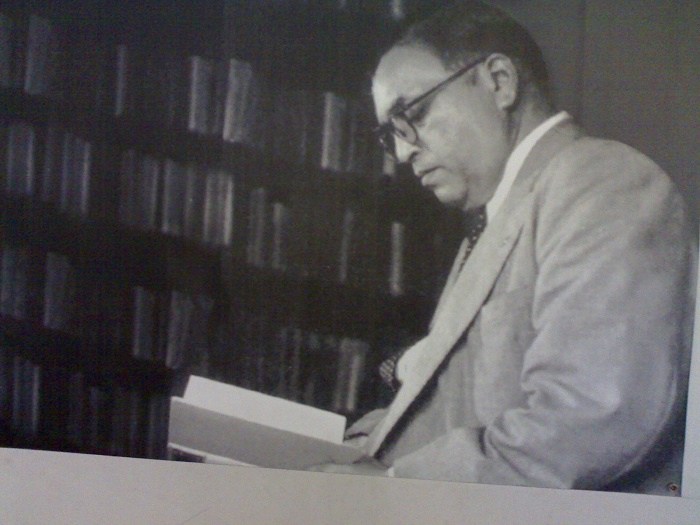
As Dr Ambedkar aptly put:
“I remember to have read a conversation between an American and an English soldier during the last World War. I find it most appropriate at this juncture. How long the war should be continued was the subject of discussion. In reply to a question, the Englishman said with great pride, ‘We shall fight the war till the last Frenchman dies.’ When the Hindu social reformers proclaim that they shall fight to the last for the cause of the Untouchables, it means that they propose to fight till the last Untouchable dies. This is the meaning, as I understand it, of their proclamation. One who fights for a cause at the cost of the lives of others cannot be expected to win the battle.”
The more the cries of humiliation and trauma, the more this industry of people fighting for a cause at the cost of the lives of others will rise.
Dalit autobiographies might have served a purpose, but the time has come to start seeing without being seen!
Do you have the guts?
~~~
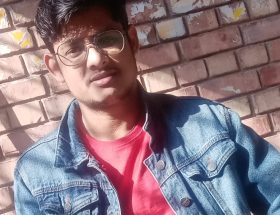
Anshul Kumar is currently pursuing MA in Sociology at JNU.