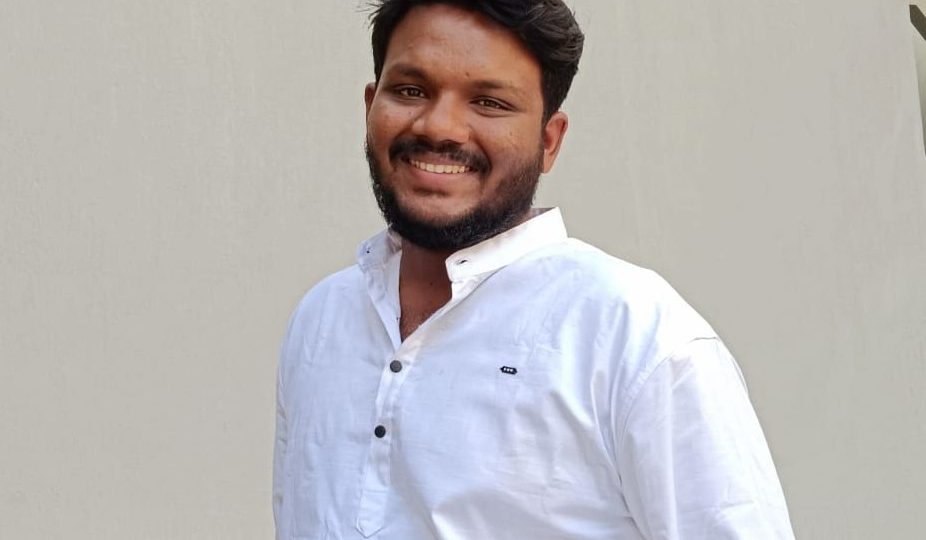
Buddhapal Dumane
Caste is deeply ingrained in the social fabric of South Asian societies, has been a subject of scholarly inquiry, social activism, and policy debate for centuries. Rooted in historical inequalities and hierarchical structures, caste dynamics continue to shape individuals’ lives, communities, and opportunities in profound ways, despite efforts to address caste-based discrimination. Systemic biases persist, perpetuating social inequalities and limiting opportunities for marginalized communities. Understanding the complexities of caste awareness and attitudes is crucial for informing inclusive policies, promoting social justice, and fostering solidarity across diverse communities.
The theme of this research is the exploration of the multifaceted nature of caste awareness and attitudes, tracing the evolution of individuals’ understanding from initial encounters to informed perspectives. Through qualitative inquiry, this study delves into participants’ educational experiences, personal reflections, family influences, and societal dynamics, unraveling the intricate tapestry of caste consciousness. By examining the impact of academic engagement, attitudes towards caste discussions, integration of perspectives, personal reflection, and family influence, this research illuminates the complex interplay of factors shaping individuals’ perceptions of caste and their stance on social change. In the contemporary context, as societies grapple with ongoing challenges of social justice and inclusivity, understanding caste dynamics is highly relevant. The findings of this research provide timely insights into the persistence of caste-based discrimination and the pathways to fostering empathy, solidarity, and social change. Amidst growing calls for equity and representation, this research underscores the importance of inclusive dialogue, critical reflection, and activism in dismantling oppressive caste systems and advancing towards more just and inclusive societies. By amplifying diverse voices and shedding light on nuanced perspectives, this research contributes to ongoing efforts to confront systemic injustices, promote social cohesion, and uphold the dignity and rights of all individuals, regardless of caste or social background.
Method: Qualitative research is crucial for investigating the attitudes and behaviors of general category youth towards caste analyzing tools in university spaces and their practices outside academia due to the nuanced and complex nature of the topic. Utilizing qualitative methods and the same structure as data collection tools helps to delve deeply into the lived experiences, perceptions, and interpretations of individuals regarding caste dynamics. This approach offers ways to explore the multifaceted ways in which caste intersects with identity formation, socialization processes, and familial dynamics among the general category of youth. Moreover, qualitative research enables researchers to uncover the underlying motivations, beliefs, and cultural norms that shape individuals’ attitudes towards caste analysis tools and their implications for social interactions and behavior. Through in-depth qualitative inquiry, researchers can capture the intricacies of caste-related experiences and narratives, providing valuable insights that may not be fully captured through quantitative methods alone.
Additionally, qualitative research allows for flexibility and adaptability in exploring emergent themes and issues that may arise during the research process, thus offering a holistic understanding of the complexities inherent in the topic. Qualitative research plays a crucial role in unraveling the intricacies of caste dynamics and their implications for general-category youth, contributing to a deeper comprehension of caste-based inequalities and avenues for promoting social justice and equality. I took 10 semi-structured interviews. Four female and six male students participated in the interview. For regional diversity, I ensure there are students from different states like Maharashtra, Tamil Nadu, Karnataka, Madhya Pradesh, Uttar Pradesh, and Jharkhand.
Findings: Analyzing the data gathered from participants’ narratives reveals several key insights that shed light on caste dynamics and pathways to social change.
The first set of observations centers on the pivotal role of education in deepening participants’ understanding of caste dynamics. Participants often recall their initial encounters with the concept of caste during their schooling, highlighting the foundational role of education in shaping their awareness. Exposure to academic courses, particularly in sociology, significantly expands participants’ understanding of caste, providing valuable insights into historical injustices and systemic biases. The inclusion of readings from Dr. Ambedkar prompts critical reflection and challenges preconceived notions about caste hierarchies and discrimination. Additionally, field experiences, such as winter field projects in tribal regions, offer firsthand insights into the impact of caste-based inequalities on marginalized communities, further enriching participants’ understanding.
The second set of observations revolves around the evolution of participants’ attitudes towards discussions about caste. Initial discomfort and hesitation, especially among those from upper-caste backgrounds, gradually give way to greater comfort and willingness to engage in dialogue. Exposure to diverse narratives, academic literature, and social media discussions plays a crucial role in shifting participants’ perceptions, fostering empathy towards marginalized communities. The importance of creating safe spaces for dialogue emerges as a recurring theme, allowing individuals to express their opinions without fear of judgment or reprisal. Over time, participants recognize the value of caste discussions in challenging existing biases and advocating for social change, reflecting a shift from hesitation to active engagement.
The third set of observations highlights the influence of family upbringing on participants’ perceptions of caste. Family dynamics play a significant role in shaping initial perceptions, with those from liberal households reporting encouragement to think critically about caste and identity. However, attempts to challenge oppressive caste norms within families often lead to resistance and conflict, reflecting deeply entrenched societal attitudes. Despite tensions and contradictions, participants express a sense of responsibility to confront and dismantle oppressive caste systems within their families and communities, aligning their values with academic learning and social justice principles.
The fourth set of observations centers on the pathways to social change identified by participants. Increased awareness and dialogue around caste issues are recognized as essential catalysts for social change, emphasizing the importance of inclusive discussions that transcend caste boundaries. Breaking out of echo chambers and engaging in meaningful dialogue with individuals from diverse backgrounds are seen as key strategies for challenging caste-based discrimination and advocating for social justice. Education and dialogue are identified as crucial steps towards addressing caste-based discrimination and promoting social change, with participants advocating for inclusive practices to foster fraternity and bridge gaps between communities.
By carefully analyzing participants’ narratives, we can elucidate the complex dynamics of caste awareness and attitudes, highlighting the transformative potential of education, dialogue, and advocacy in fostering inclusive societies.
Conclusion: The findings of this research align with existing studies that highlight the complex interplay of education, family influences, and societal dynamics in shaping individuals’ perceptions of caste. The transformative potential of education in challenging existing biases and fostering empathy towards marginalized communities resonates with the arguments put forth by scholars such as Dr. Ambedkar and Gopal Guru, who emphasize the importance of critical reflection and social activism in addressing caste-based inequalities.
~~~
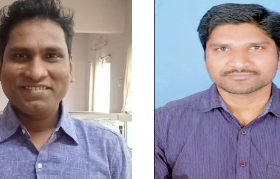
Buddhapal Dumane is a development professional and researcher currently working as a Project Associate with Muktangan Education Trust in Mumbai. He leads training programs for Anganwadi Workers and oversees the implementation and monitoring of early childhood development initiatives in the Naigaon block of Nanded district. He holds a Master’s in Development from Azim Premji University, Bangalore.