Subhasree Nayak
One early morning in the first week of April, I received a video conference call. During the interaction, one of the people asked me a question that has remained with me ever since. “Dr. Subhasree, do you think that in the next twenty years ASHA workers should be trained in digital tools?”
I answered humbly, “Yes. But why wait for twenty years? The world is already digitalising. We should begin training them now.” The Person smiled thoughtfully and replied, “An ASHA worker often has formal education only up to Class 8. How can we expect them to handle sophisticated digital tools?”
And that is where this story truly begins.
ASHA — Accredited Social Health Activist — is more than just a designation.
In Hindi, Asha means hope.
And hope is exactly what these women carry from one household to another, walking through muddy village roads, under the scorching sun and relentless rain, crowded settlements, and distant hamlets to connect people with healthcare systems that often feel far away and inaccessible. For many families in rural India, the ASHA worker is the first face of healthcare. She is the woman who reminds pregnant mothers about antenatal check-ups, ensures children receive vaccinations, counsels families about nutrition, accompanies patients to health centres, and sometimes becomes the only reassuring voice during moments of fear and uncertainty.
The Vision Behind ASHA: – The idea of accredited social health activist (ASHA) workers was introduced in the year 2005 by the Ministry of Health and Family Welfare to improve the accessibility, availability, and acceptability of healthcare facilities, particularly in rural areas, envisioning one trained community health worker for every village or population of nearly 1,000 people. The goal was not merely service delivery, but the creation of trust, awareness, and community participation in healthcare at the grassroots level. ASHA workers were projected as health activists whom the community accepts, and she bridges the gap between the health system and the community. ASHA have to undergo a series of modular training programs at the district hospital, block primary health care centres, by trained medical officers or district health officers. They receive performance-based incentives for promoting universal immunization, referral, escort services for Reproductive and Child Health (RCH), and other healthcare programs.
Yet, despite being the backbone of community healthcare, ASHA workers are often underestimated, and they face numerous challenges, including inadequate compensation, heavy workloads, and limited training opportunities. Furthermore, societal norms and gender biases impact their ability to access communities, especially in conservative areas.
We tend to measure capability through degrees and certificates, forgetting that intelligence is not always written on paper. An ASHA worker may not speak fluent English or operate complex software today, but she possesses something equally powerful — adaptability born from experience and resilience.
The same women who once learned to maintain handwritten registers, monitor immunisation schedules, and spread awareness about maternal health can certainly learn to use smartphones, digital health applications, telemedicine platforms, and online reporting systems — provided we give them the opportunity, training, and trust they deserve.
After all, we live in a world where even a two-year-old child, through observation and repeated exposure, learns how to unlock a phone, open YouTube, and navigate cartoons without formal instruction. Technology today is increasingly intuitive and experience-driven. If children can adapt through curiosity and interaction, why do we hesitate to believe that motivated ASHA workers — women who already shoulder enormous public health responsibilities — can learn digital tools with proper support and training?
Empowering the hands that carry hope: India is rapidly embracing digital healthcare. From electronic health records to teleconsultations and AI-assisted health monitoring, technology is reshaping medicine. But if the last-mile health worker is left behind, the promise of digital healthcare will remain incomplete. Digital training for ASHA workers is not about replacing human connection with screens. It is about strengthening their ability to serve. A smartphone can help an ASHA worker track high-risk pregnancies in real time. Digital applications can reduce paperwork and improve reporting accuracy. Telehealth platforms can connect remote villages with specialists located hundreds of kilometres away. Most importantly, technology can empower these women with confidence and recognition.
The debate is no longer about whether ASHA workers can enter the digital age — many already have. Across India, ASHA workers now navigate smartphones, digital reporting systems, and health applications while continuing to maintain manual records. The digital transition is not a distant possibility; it is already unfolding at the grassroots. What remains troubling, however, is society’s persistent hesitation to trust these women with technology. The question reveals less about the capabilities of ASHA workers and more about the assumptions we continue to hold regarding class, education, gender, and capability.
History has repeatedly shown that when women are trusted with responsibility, they transform communities. ASHA workers have already proven this through years of silent service, especially during public health crises when many continued working despite personal risk and limited resources.
Perhaps what they need is not skepticism, but investment.
Not doubt, but mentorship.
Not delay, but opportunity. Because somewhere in a remote village, an ASHA worker is still walking door to door under the scorching sun, carrying vaccination records in a worn-out bag, comforting anxious mothers, and ensuring that healthcare reaches even the forgotten corners of society.
If she can carry the nation’s hope on her shoulders, why can’t we trust her enough to place technology in her hands?
~~~
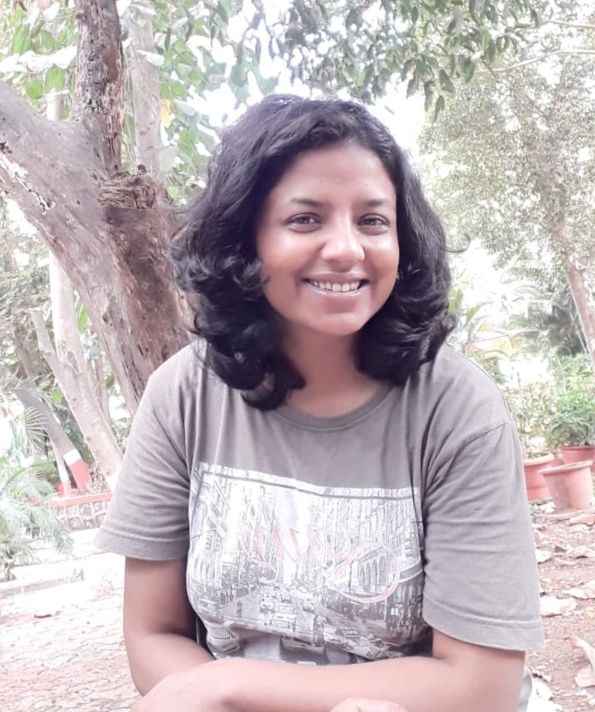
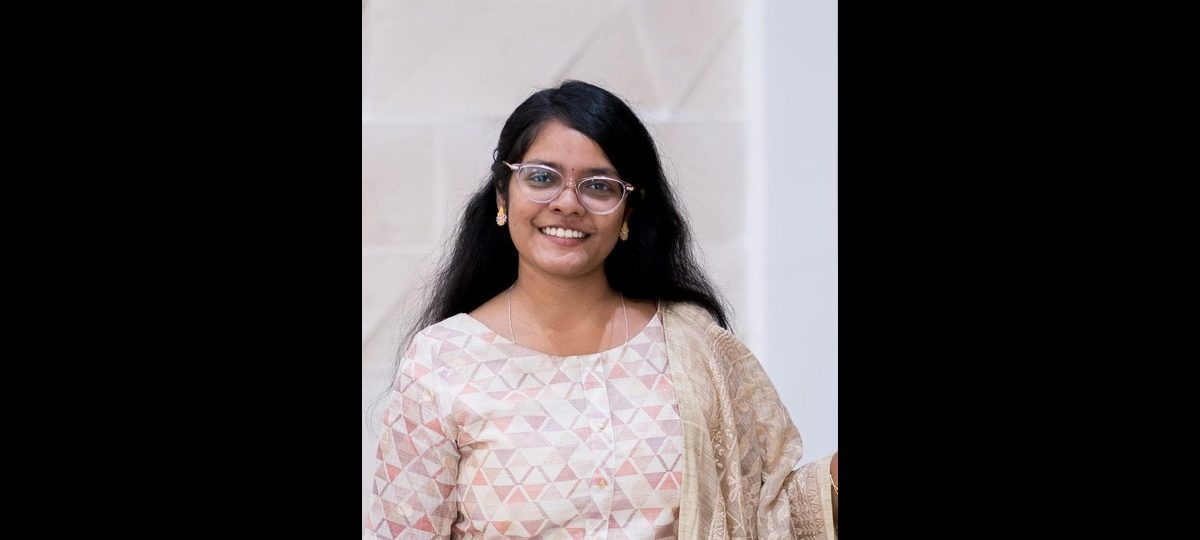
Dr. Subhasree Nayak is a public health researcher and an artist with a Master’s degree in Public Health from Dayananda Sagar University. Hailing from Cuttack, Odisha, with a commitment to grassroots healthcare, health equity, and community-centred public health discourse.