Vishakha Daware
India is a land of immense cultural diversity, where every region expresses its identity through unique languages, traditions, festivals, arts, and cuisines. The state of Maharashtra stands out for its vibrant folk heritage, particularly through Tamasha – a dynamic form of theatre that blends music, dance, and drama. Created to entertain rural audiences, Tamasha has evolved into a powerful medium of social storytelling and local celebration, with women often at the forefront, showcasing expressive dance and compelling narratives.
Tamasha differs fundamentally from classical forms like Kathak, Bharatanatyam, and Kuchipudi, which are codified techniques often emphasising spiritual or mythological storytelling. In contrast, Tamasha is a vibrant folk theatre rooted in rural life and social commentary. It is performed by travelling troupes and sustained by everyday community life rather than elite patronage. Consequently, for many Tamasha artists – especially the women – the art is a livelihood and cultural expression born out of necessity and resilience.
Marathi cinema played an important role in popularizing Tamasha beyond traditional folk settings. Through films featuring its themes, music, and performances, this folk art reached a wider audience and gained recognition as a significant part of Maharashtra’s cultural identity. The cinematic portrayal not only preserved Tamasha’s essence but also brought its songs, dances, and narratives into mainstream entertainment. V. Shantaram’s film Pinjra (1972) was crucial in bringing Tamasha to national attention, beautifully portraying its cultural richness while exploring social themes. The movie received the National Film Award for Best Feature Film in Marathi for that year.
However, while cinema often glorifies Tamasha for its vibrant music, dance, and cultural appeal, it has largely overlooked the harsh realities faced by its artists, especially women. Women performers, often from marginalized communities like the Kolati, Mahar, and Mang, encounter economic insecurity, social stigma, and exploitation. They face disrespect and harassment both during performances and in daily life, with limited social acceptance and almost no institutional support.
The struggles of these performers are powerfully highlighted in the song “Potasathi Nachate, Me Parva Kunachi” (“I danced to earn my daily bread”). This rare artistic expression voices the hardships, emotional pain, and social challenges faced by women in the Tamasha community, shedding light on their vulnerability and lack of societal support. Similarly, the Marathi literary work Jevha Mi Jaat Chorli Hoti (When I Hid My Caste) by Baburao Bagul vividly depicts the exploitation and marginalization endured by Tamasha artists, particularly in the story “Kalokhache Kaidi” (Prisoners of Darkness).
Scholar Shailaja Paik, in her book The Vulgarity of Caste, illustrates how many Marathi authors have focused on Tamasha’s music and instruments while erasing the caste-based exploitation and stigma faced by Dalit women performers like Mangalatai Bansode. Paik argues that Tamasha performances promote an illusion of normalcy around caste and gender oppression, obscuring the harsh realities and embedded caste politics.
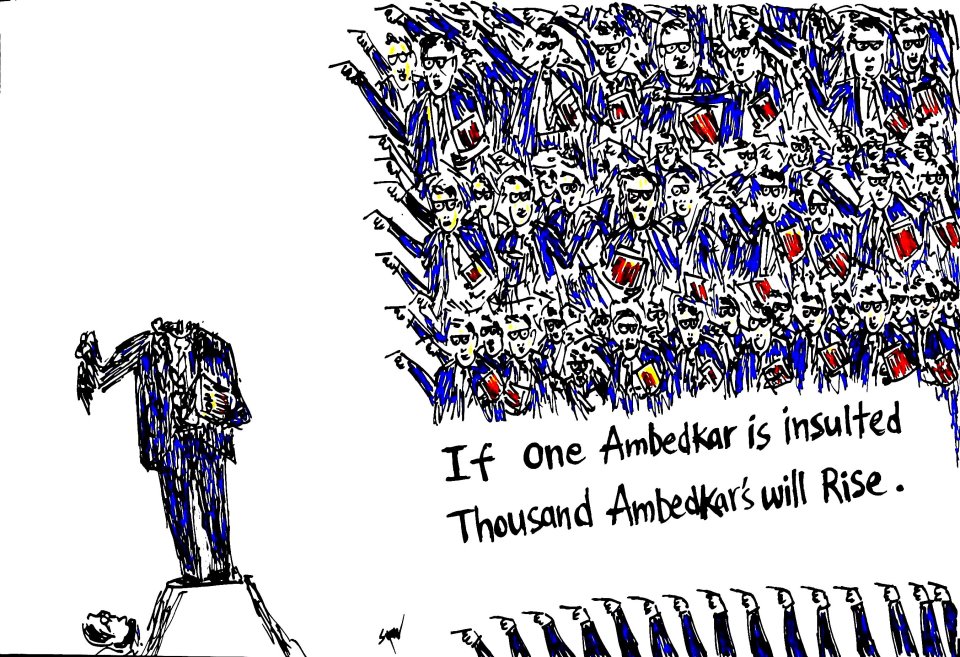
A telling historical episode involves Dr B.R. Ambedkar and the famous Tamasha artist Patthe Bapurao. In 1927, Bapurao offered Ambedkar money raised from four Tamasha performances. Ambedkar refused the funds, stating that their battle was for dignity and social justice, not financial assistance. He criticized Bapurao for exploiting Mahar and Mang women in his troupe, linking this directly to the caste-based inequalities within Tamasha. This incident underscores Ambedkar’s commitment to challenging systemic exploitation and his vision of social justice beyond monetary charity.
In conclusion, Tamasha stands as one of Maharashtra’s most vibrant folk art forms—an enduring symbol of rural creativity, resilience, and cultural pride. While celebrated for its aesthetic richness, it also reveals deep-rooted caste, class, and gender inequalities. Through the stories of its artists, the writings of authors like Bagul, and the analyses of scholars like Paik, Tamasha emerges not just as entertainment but as a mirror to social hierarchy. Its legacy is dual: a dazzling community spectacle and a poignant social document. Preserving Tamasha requires not only artistic recognition but also systemic support, social dignity, and equitable opportunities for its performers.
~~~
Vishakha S. Daware is a fresh law graduate focused on socio-legal issues and access to justice.