Prithiraj Borah
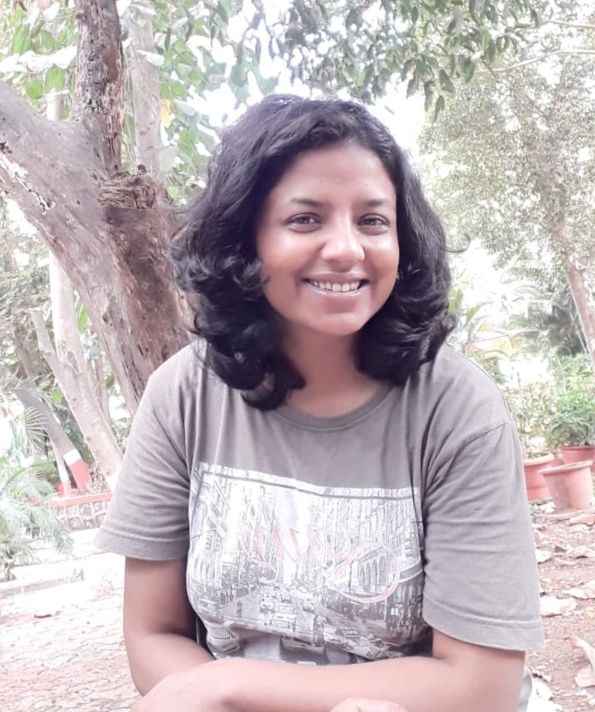
In September 2023, Aditya Prakash, a fully funded PhD candidate in anthropology at the University of Colorado Boulder, was reheating palak paneer—a spinach and cheese curry—in a shared departmental microwave when a staff member approached him with a complaint about the ‘pungent smell’. The staff member instructed him to stop. Prakash’s calm response— ‘It’s just food. I’m heating and leaving’—would inadvertently trigger a chain of events revealing systemic discrimination rooted in the politics of food and smell.
What followed was retaliation. Prakash was summoned to multiple meetings with senior faculty, accused of making the staff member feel unsafe. His fellow scholar, Urmi Bhattacharyya, also a PhD student, lost her teaching assistantship without explanation after supporting him. When Indian students brought food to campus two days later, they were accused of ‘inciting a riot’. The most egregious act came when the university withheld both Prakash and Bhattacharyya’s earned master’s degrees—intermediate milestones in their doctoral programs—apparently as punishment.
‘That’s when we knew this was no longer about a microwave, Prakash told The Indian Express. ‘We decided to seek legal recourse.
In their lawsuit filed in the US District Court for the District of Colorado, they alleged discriminatory treatment based on national origin and culture, specifically targeting South Asian students through food restrictions that had a ‘disproportionate and discriminatory impact’ on ethnic groups. They charged the university with creating a hostile academic environment and retaliating against them for raising concerns about discrimination.
After nearly two years of legal battles, in September 2025, the University of Colorado Boulder settled for $200,000. The couple received their master’s degrees. However, they were permanently barred from future enrolment or employment at the institution and ultimately returned to India. The university maintained it ‘denies any liability’ while reaching the agreement.
Why Food Becomes a Weapon
The Colorado Boulder case exposes how food functions as a flashpoint for discrimination. Food operates simultaneously as nourishment, identity, and cultural assertion. For immigrants and diaspora communities, the ability to eat what one grew up eating is an act of cultural continuity and self-assertion. When that right is challenged or stigmatised, it becomes an assertion of power—a declaration that certain bodies and cultures do not fully belong.
The language used to justify restrictions reveals underlying bias: the complaint was not about hygiene or safety, but smell. Unlike other senses, smell invades our space involuntarily. For those harbouring prejudices, the smell of unfamiliar food becomes weaponised as evidence that the ‘other’ does not belong. This is what scholars term ‘food racism’—the systematic devaluation of cuisines associated with non-white, non-Western cultures coupled with stereotypes about those who consume them.
While the Colorado Boulder case illustrates discrimination against Indian food abroad, India presents far more entrenched, publicly sanctioned, and intricate hierarchies organised through caste, ethnicity, religion, and gender. Food in India is an instrument through which structural inequalities are produced and naturalised.
Historically, caste status determined what one could eat, who could prepare food, and whose food could be consumed by whom. These were institutionalised through ritual practices that rendered caste divisions as cosmically ordained. Untouchability, formally abolished in the Constitution but persisting in practice, historically restricted certain castes from entering shared eating spaces. A Dalit person’s presence in a kitchen could supposedly pollute food for upper-caste households.
While caste-based discrimination is constitutionally prohibited, food habits remain one of the most persistent arenas where caste hierarchy is maintained, with violations involving serious social penalties. In rural India, separate dishes are still maintained for Dalit workers. In urban households, domestic workers—often from lower castes—prepare food but cannot eat in the same space or use the same utensils as the families they serve.
Vegetarianism itself has been weaponised through caste. According to scholar Kancha Ilaiah, upper-caste ideology constructed vegetarianism as a marker of purity and spiritual superiority, while meat-eating was associated with lower castes and marginalised religious minorities. This dietary distinction justified social hierarchy.
The dominance of upper-caste North Indian cuisine as the template of ‘Indian food’ has marginalised food from the Southern and Northeastern states, and also excludes coastal culinary traditions. Scholar Dolly Kikon notes that Northeast students particularly face discrimination tied to food practices—their consumption of pork, beef, and fermented foods like bamboo shoots violates upper-caste dietary norms. In hostels and shared spaces, Northeast students report ridicule, food contamination, and exclusion based on their eating habits. This discrimination intersects with broader racist prejudices against North Easterners in India, who are stereotyped as ‘foreign’ and ‘outsiders’. Regional food hierarchies intersect with caste in complex ways, with marginalised communities’ dietary practices subjected to moral judgment and violence.
Global Hierarchies, Local Forms
What connects Colorado Boulder to India is fundamental: food is never merely about nutrition or taste. It is a repository of identity, a marker of belonging, and a mechanism through which power is exercised. In America, discrimination against Indian food reflects racial hierarchies positioning non-Western cuisines and immigrant bodies as out of place. In India, similar hierarchies—organised through caste, ethnicity, and gender—accomplish the same work. The kitchen and table are not apolitical spaces. They are arenas in which hierarchies are inscribed on bodies, where access and denial shape the fundamental experience of belonging. Food is identity, culture, and power. Until we recognise this fully, discrimination cloaked in the language of smell, hygiene, or cultural difference will continue to exclude and wound those deemed unworthy of the right to nourish themselves with pride.
~~~
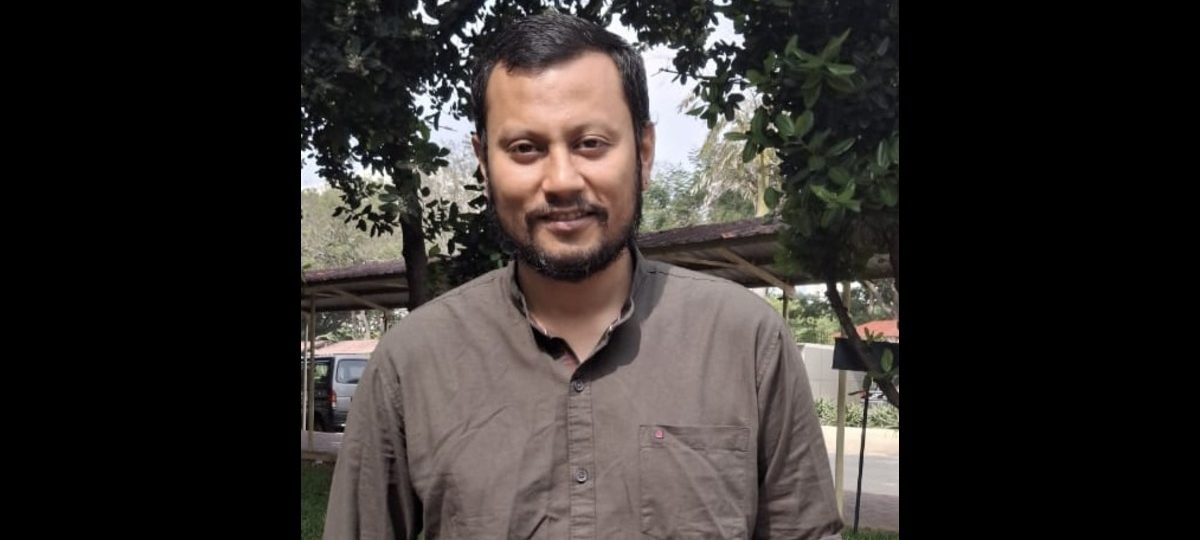
Prithiraj Borah is an Assistant Professor of Sociology in the Department of Law at NALSAR University of Law, Hyderabad. He can be reached at prithiraj.borah@nalsar.ac.in.