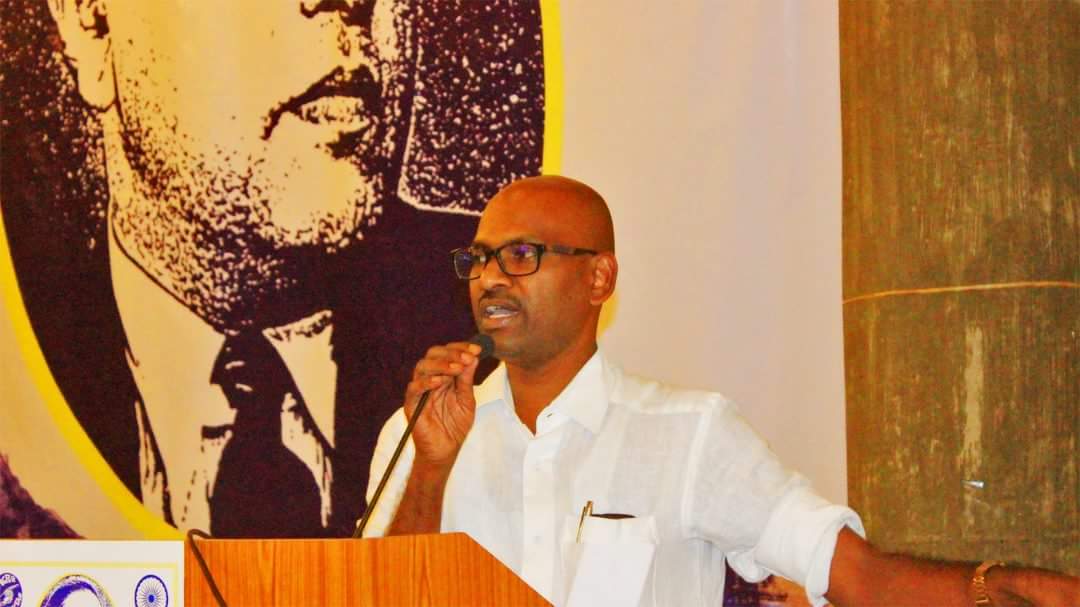
Dr B Karthik Navayan
The Indian judiciary, often hailed as the guardian of constitutional equality under Articles 14 -equality before law and 15 -prohibition of discrimination on grounds of caste, continues to grapple with allegations of subtle caste biases in its operations.
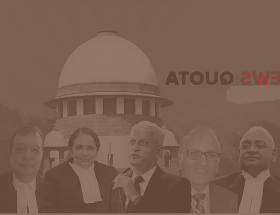
Brahmins, who form just 3-5% of India’s population, dominate the bench, holding approximately 36% of seats in the Supreme Court as of 2025, with 12 out of 33 judges from Brahmin backgrounds. This overrepresentation extends to High Courts, where forward castes account for 79% of appointments over the last five years, while the representation of Scheduled Castes (SC) and Scheduled Tribes (ST) hovers at a mere 10%, a decline from previous decades. Such imbalances perpetuate “Manuvadi” influences—echoing the casteist ethos of the ancient Manusmriti—where upper-caste norms subtly shape judicial outcomes, particularly in cases involving atrocities against marginalized communities.
Justice B.R. Gavai, the second Dalit Chief Justice of India (CJI) appointed in 2025, embodies this paradox: elevated as a symbol of diversity, his tenure reveals selective leniency toward upper-caste aggressors and stringent actions against Scheduled Castes advocates, alongside rulings that critics argue dilute protections under the Scheduled Castes and Scheduled Tribes (Prevention of Atrocities) Act, 1989 (SC/ST POA).
Incident 1: The Shoe-Throwing Assault – Swift Forgiveness and No Contempt
On October 6, 2025, chaos erupted in the Supreme Court when senior advocate Rakesh Kishore, a 71-year-old seems to be a Brahmin lawyer, attempted to hurl a shoe at CJI Gavai during proceedings, shouting “Sanatan Dharma Zindabad” and decrying perceived insults to Hinduism. The provocation stemmed from Gavai’s September 2025 remarks in a petition over a disputed Lord Vishnu idol in Khajuraho, where he quipped that courts should not meddle in “divine matters,” adding, “Let God decide,” in a nod to rationalist separation of law and faith—echoing Ambedkarite critiques of mythology. Social media amplified this as “anti-Hindu blasphemy,” fueling outrage among Hindutva groups.
In a display of remarkable composure, CJI Gavai addressed the courtroom: “These things do not affect me. Let us proceed with the hearing.” He explicitly declined to initiate any immediate action against Kishore, effectively forgiving the Act on the spot. No criminal contempt proceedings were instituted by the bench, despite the Supreme Court Bar Association (SCBA) urging the court to take suo motu cognizance and prosecute under Section 2(c) of the Contempt of Courts Act, 1971, for “scandalizing the court.” Kishore was briefly detained but released without charges from the court; the Bar Council of India (BCI) later suspended him for six months, citing “violent behaviour,” but this was an administrative penalty, not judicial contempt. Kishore later expressed no remorse in media interviews, claiming divine inspiration: “Parmatma ne bola… If God tells me, I’ll do it again,” and positioning himself as a defender of the Hindu faith against perceived judicial overreach.
Incident 2: The Transfer Petition – Criminal Contempt, Dual Humiliations, and Compulsory Apologies
In stark contrast, just months earlier (July 2025), the same CJI Gavai-led bench adopted a zero-tolerance stance in a seemingly procedural matter, initiating criminal contempt against a Scheduled Caste petitioner and his two Scheduled Caste lawyers for filing a transfer petition laced with “scurrilous allegations.” The case stemmed from a 2016 FIR under the Scheduled Castes and Scheduled Tribes (Prevention of Atrocities) Act, 1989, filed by N. Peddi Raju—director of the Razole Constituency SC Mutually Aided Cooperative Housing Society—against then-MLA (now Chief Minister) A. Revanth Reddy for alleged casteist abuse during a land dispute.
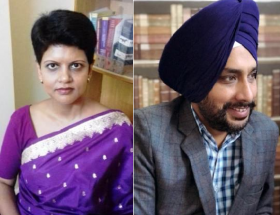
On July 18, 2025, Telangana High Court Justice Moushumi Bhattacharya quashed the FIR, citing insufficient evidence of “public humiliation” under the Act. Before the Telangana High Court decided the matter, the Petitioner Peddi Raju approached the Supreme Court by filing a transfer petition (Criminal) No. 613 of 2025 to shift the case from the Telangana HC to another court, alleging judicial bias.
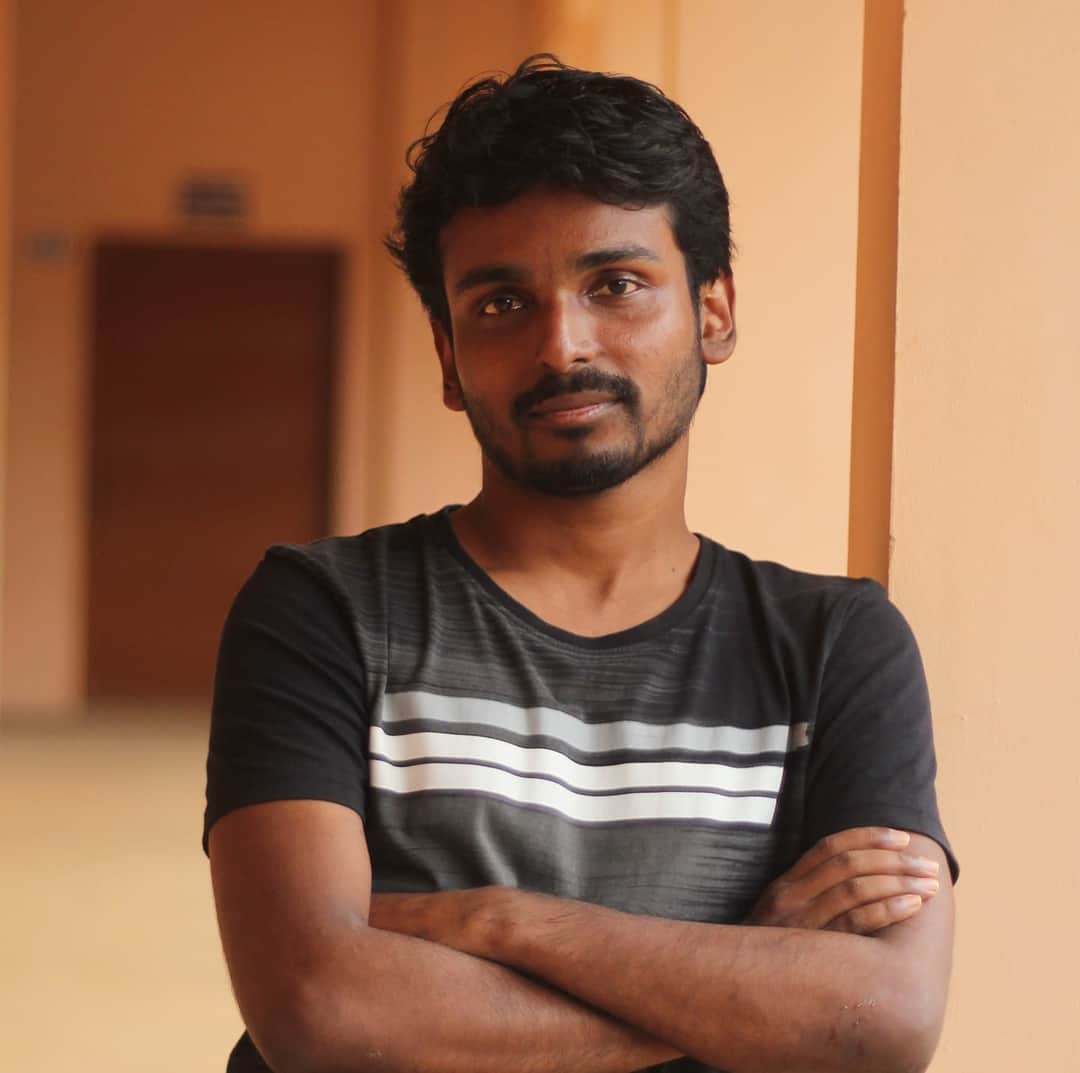
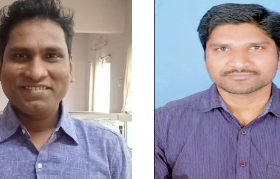
The Petition, drafted by counsel Nitin Meshram (a prominent Dalit advocate known for SC/ST rights litigation) and filed through Advocate-on-Record (AOR) Ritesh Patil (also representing marginalized litigants in caste cases), included phrases like the judge showing “undue favor” to Reddy due to his “political clout” and implying “prejudiced handling” that undermined Scheduled Caste protections.
When the transfer petition was listed in the Supreme Court on July 29, 2025, following the judgment of the Telangana High Court, Advocate Nitin Meshram requested the CJI Gawai to permit the withdrawal of the transfer Petition, as the case had already been disposed of and the matter had become infructuous.
However, CJI Gavai’s bench (with Justice K. Vinod Chandran) refused withdrawal of the Petition, issued suo motu show-cause notices for criminal contempt to all three—Peddi Raju, Meshram, and Patil—and lambasted them for contributing to a “growing trend of transfer culture” where lawyers “target judges unfairly. The court emphasised that lawyers bear equal liability under R.K. Anand v. Delhi High Court (2009) for signing scandalous pleadings, warning that this erodes public trust in the judiciary.
The trio tendered an unconditional apology in the Supreme Court on August 11, 2025, with Meshram and Patil expressing “deep regret” and affirming their “paramount duty to the court.” However, deeming this insufficient to repair the “personal affront” to Justice Bhattacharya, the bench mandated a second apology—directly to her in the Telangana High Court during open proceedings—establishing a new protocol for such contempts involving lower court judges.
On August 22, 2025, Peddi Raju, Meshram, and Patil complied, standing before Justice Bhattacharya in Hyderabad to reiterate their remorse, an act publicly broadcast and widely covered as a “humiliation” of the Scheduled Caste complainant in his own caste-atrocity case and his two Scheduled Caste lawyers. The Supreme Court closed the contempt on September 13, 2025, but not before flagging the incident as a cautionary tale against “baseless criticism.”
Disparate Treatment: Echoes of Manu Dharma in Modern Robes?
These episodes, occurring mere months apart under the same CJI, fuel accusations of caste-inflected judicial operations. In the shoe-throwing case, a physical assault on the court’s apex—disrupting national proceedings and invoking religious fervour—was met with philosophical detachment and no contempt, allowing the perpetrator to walk free with only a BCI slap on the wrist.
Conversely, Scheduled Caste litigants and lawyers, already navigating a system stacked against enforcement of the Atrocities Act, faced escalated punishment for what courts deemed “overzealous” advocacy in a transfer plea, resulting in dual apologies that further amplified their marginalisation. Dalit rights groups, including the National Campaign on Dalit Human Rights, have termed the latter “institutionalised shaming,” arguing that it deters Scheduled Caste lawyers from providing robust representation due to fear of reprisal.
Cases under the Atrocities Act face higher dismissal rates on upper-caste-dominated benches. The Manu Dharma, not literally, but as a metaphor for how “purity” and “pollution” perpetuate a judiciary where equality is professed, but caste shadows loom. As Advcoate Meshram himself tweeted after the apology, “SC/ST advocates fight twice as hard, apologise twice as much. Reforms such as mandatory caste sensitisation for judges and transparent contempt guidelines could bridge this chasm, ensuring the Constitution’s promise isn’t another varna veil. Until then, such incidents remind us That Justice, like dharma, is often caste-coloured.
~~~
Dr B Karthik Navayan is an Advocate at the High Court for the State of Telangana.